There’s a lot to be excited about as we begin a new year. As Zach Demuth shared on Monday, technology and investor interest in hotels are combining to open up more opportunities than ever before.
This is the time to be bold, and today’s guest is giving us a blueprint for creating something truly unique and remarkable in hospitality.

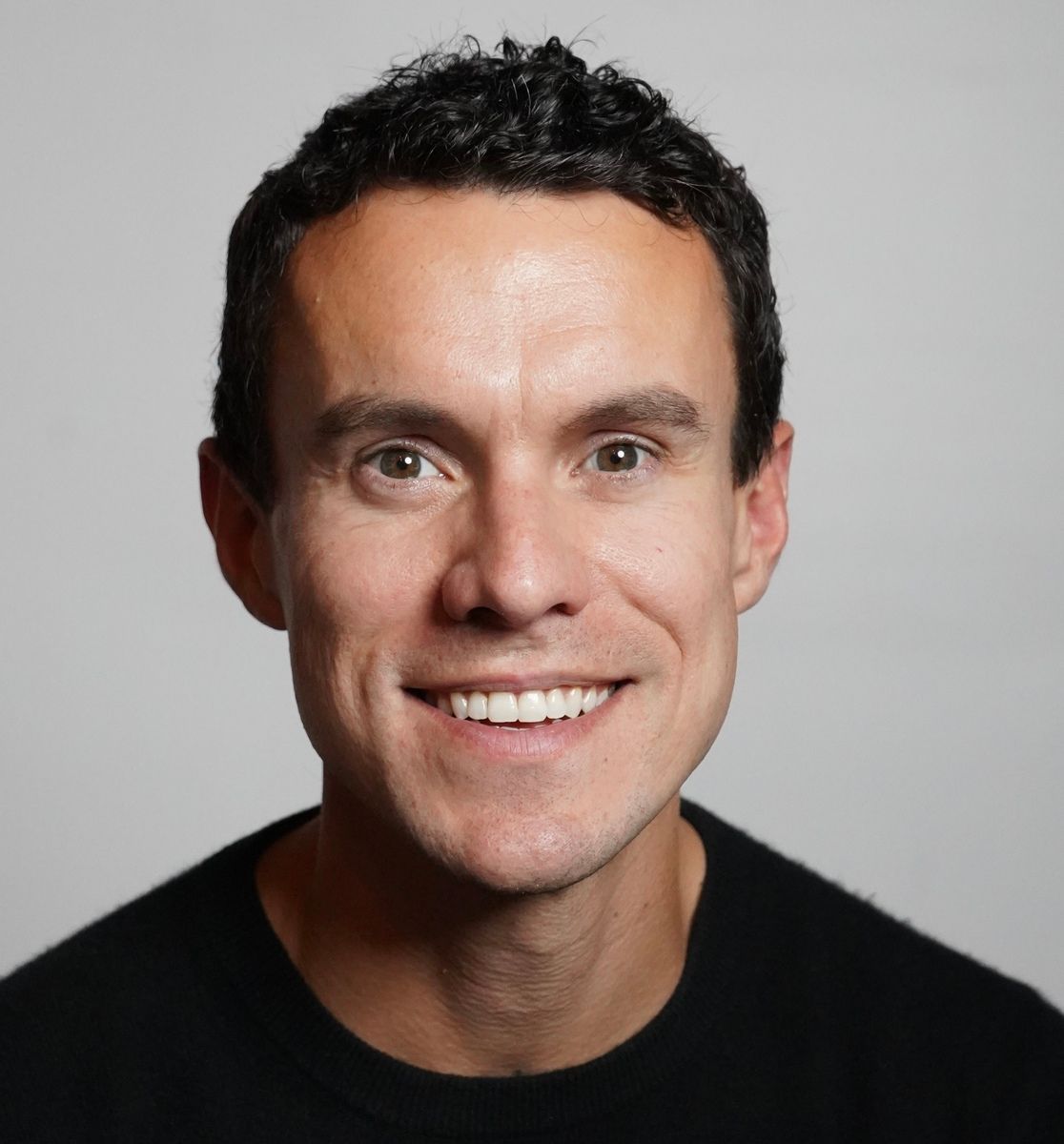
Matthias Huettebraeuker
We’re learning from Matthias Huettebraeuker, an independent hospitality strategist who was an advisor to citizenM, and previously worked at Design Hotels. Global brands such as BMW and Lufthansa value his perspective so much they’re working with him as well. I connected with Matthias after reading his “ten commandments for hotels going into 2025” post, and spoke with him about this on the podcast today. What follows is a summary of our conversation.
Learn From The Legacy of Pioneers

Steve Rubell and Ian Schrager
A few decades ago, hospitality was brimming with trailblazers like Ian Schrager, André Balazs, and the founders of Ace Hotels and citizenM. They weren’t just building hotels—they were creating movements. Their focus on community, connection, and experience reshaped what a hotel could be.
But as Matthias pointed out, we’ve lost some of that momentum. The industry has started playing it safe, focusing more on trends than true innovation.
We’re still organizing ourselves around ideas that were fresh 25 years ago.
To break free, he believes it’s time for leaders to “dare to suck”—to take risks and push boundaries, even at the cost of occasional failure. That’s how the industry can rediscover its spirit of reinvention.
“If you always play it safe, you can't transcend something. So you have to dare to suck in order to transcend what everybody else is doing.”
Start with Purpose
For Matthias, bold creativity in hospitality starts with knowing your “why.” “Purpose is everything,” he told me.
If you don’t know why you’re doing something, it’s impossible to stand out.
Success comes from offering experiences that are deeply personal and authentic, not from trying to please everyone.
And that takes patience. Matthias shared how minimalist hotel designs were once criticized for being “not hospitable enough.” However, their creators stayed true to their vision, and eventually, guests began to embrace the simplicity.
That same approach is what’s needed today—and Matthias explained why:
“If you want to be successful in hospitality in what is increasingly a buyer’s market, it’s not enough to build it and expect it to sell itself. You have to compete—whether for occupancy, rate, or both. Even when the market is strong and occupancy isn’t a challenge, there’s always room to improve on rate.
“That improvement comes from creating preference, and preference is never a function of parity—it’s a function of differentiation. You can differentiate by price, but that’s a race nobody wins. The better path is to differentiate by value, which is really another word for experience.
“To create a differentiated experience, you can either focus on utility—convenience and seamlessness—or you can enhance the emotional, entertaining, and social aspects of the experience. To do that well, you need to stay true to your values and develop a personality for your brand. You can’t please everyone, and you shouldn’t try. Instead, find your niche, and have the patience to wait until your niche discovers you.
“You have to be bold in what you firmly and truly believe in—your ‘why.’ Be bold enough to know that eventually, you’ll attract the people who understand you, like you, and follow you.”
What Boldness Looks Like
Thankfully, there are still examples of “bold hospitality” in action today that we can learn from (not copy!). Matthias shared a few of his favorites:
Michelberger Hotel (Berlin): This hotel thrives because it’s a true reflection of its local music scene. When approached by Ace Hotels to expand globally, the owners made the bold decision to stay small, knowing their authenticity couldn’t scale.
Ett Hem (Stockholm) and Margot House (Barcelona): These properties are all about intimacy and elegance, offering guests the feeling of staying in a refined private home. They stand in stark contrast to the over-themed “lifestyle” hotels trying too hard to tell their own story.
Reethaus (Berlin): Claus Sendlinger, Founder of Design Hotels and a pioneer of cultural hospitality, is back with a new project that connects creatives, artists, and thinkers in inspiring ways. It’s proof that being bold often means going smaller, deeper, and more personal.

Reethaus // Credit: der Freitag
Ask the Right Questions
Innovation often starts with the questions we ask. Matthias suggests shifting your focus from what’s always been done to what’s truly needed:
Who are you serving? Is your hotel primarily for travelers, locals, or a mix of both?
What does the neighborhood need? How can your hotel become a natural extension of its surroundings?
How can spaces be reimagined? Could a lobby double as a coworking space? Could your F&B offerings attract locals, not just guests?
He emphasized that the best ideas often come from treating your hotel as a “stage for life,” not a rigid blueprint.
Learn from Other Industries
Matthias believes hospitality can draw inspiration from industries like the car business.
“Automotive companies realized they’re not in the car business—they’re in the mobility business,” he explained.
Similarly, hotels could see themselves as providers of space and service, not just rooms. This mindset opens up so many possibilities, from coworking hubs to wellness retreats, and even everyday social spaces for locals in the neighborhood.
Becoming An “Everyday Brand”
The big hotel groups have a unique opportunity to grow beyond their current models, Matthias says.
Instead of just competing for travelers, they could aim to become everyday lifestyle brands, serving their communities with spaces that cater to work, play, and everything in between.
A Final Challenge
Matthias left me with a challenge—and a reminder: Hospitality’s greatest strength is its ability to foster human connection.
Whether you’re redesigning a space, crafting an experience, or rethinking your brand, the goal should always be to bring people together in meaningful ways.
As Matthias put it, “The best hospitality isn’t a showroom. It’s a stage for life to unfold.”
Now is the time to embrace that philosophy, to take risks, and to lead with purpose. If we do, the future of hospitality can be every bit as inspiring as its past.
Want more on this? Listen to Matthias and I talk about this today on the Hospitality Daily Podcast (Apple Podcasts, Spotify).
If you found this helpful, please forward this email to a friend or colleague who might also enjoy it:
Click here to forward this email.
(Or, if it’s your first time reading this, you can subscribe here.)
A few final things:
If you have any thoughts, ideas, questions, or suggestions for Hospitality Daily, please reply to this email. I’d love to hear from you!
If you have something that would benefit the hospitality professionals who read, listen to, and watch Hospitality Daily, let’s work together to help you help more people.
Thank you for reading.
-Josiah

